We have a new online shop!
If something in our new shop does not work or is missing, we would greatly appreciate your feedback. Please contact us via our contact form or give us a call:
+49 8726 910037
×
+49 8726910037
  • Service

Energymanagementsytem

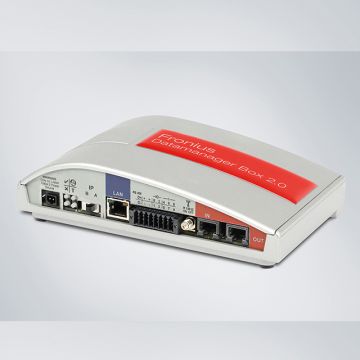
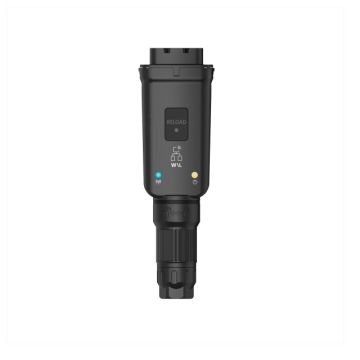
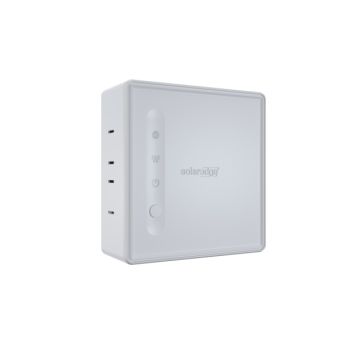
Here you will find smart energy meters and other accessories for energy management and system monitoring. Some manufacturers already offer the integration of dynamic electricity tariffs, bidirectional charging of electric cars as well as the control of heat pumps and heating elements and participation in the direct marketing of your solar power.

Energy management systems

Monitor all power flows and control them intelligently

What options does a comprehensive energy management system offer?

Remote monitoring via PC / smartphone
Dynamic control of a charging station / wallbox
Dynamic control of other electrical loads
Integration of dynamic electricity tariffs
Control of battery storage systems

An energy management system optimizes the use of solar power in your home. It ensures that your photovoltaic system, your battery storage system, and your electrical loads interact in the best possible way. The result:

  • Higher self-consumption rate: Use more of the electricity you generate yourself.
  • Cost reduction: Lower your electricity bill by drawing less power from the grid.
  • Sustainability: Reduce your carbon footprint through efficient use of renewable energy.
  • Independence: Become less dependent on rising energy prices.

Remote monitoring on PC / smartphone

Monitoring your PV system from a PC or smartphone not only makes it easier to check yield and functionality, it also provides useful additional information and gives you a clear overview of changes and potential issues. Almost every inverter manufacturer now offers software and smartphone apps for convenient monitoring. There, you can track your electricity consumption, the production of your photovoltaic system, and the state of charge of your battery storage system. Some systems even offer the option to monitor the performance of each individual PV module. For this, power optimizers are required on each solar module. Many manufacturers also now offer their own wallboxes for charging electric vehicles, which can likewise be monitored and controlled via the same portal.

Dynamic control of a charging station / wallbox

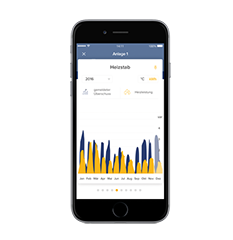
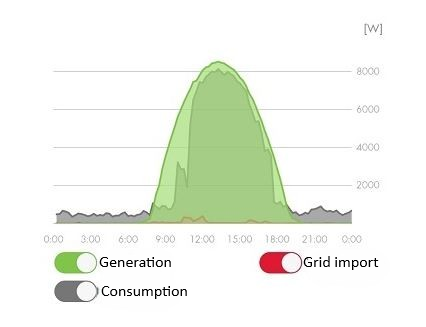
A modern energy management system already offers the option of dynamic control of an EV charging station / wallbox, allowing you to charge your electric vehicle using only PV surplus that would otherwise be fed into the grid. In the future, bidirectional charging will even become possible. This means feeding electricity from the EV back into the building (Vehicle-to-Home, or V2H) or even back into the power grid (Vehicle-to-Grid, or V2G). The EV becomes a (second) home battery. This not only helps stabilize the power grid, but can also generate additional revenue—for example, by making cheaply purchased or self-generated electricity available again, or by using it yourself when electricity prices are higher. V2H is already legally possible today and will be used more and more in the near future, whereas V2G still faces a few legal hurdles. The image shows an example of optimal charging the vehicle with PV surplus.

Dynamic control of other electrical loads

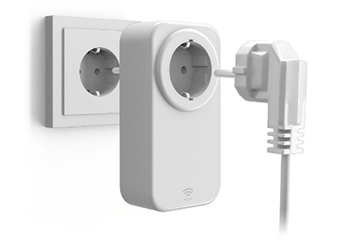
Many energy management systems offer interfaces or switching contacts for intelligent and, in some cases, dynamic control of consumers within the building. In particular, high-load devices such as heat pumps or heating elements can then be supplied preferably directly with solar power from the photovoltaic system. You can also reschedule everyday activities such as cooking, ironing, or vacuuming to reduce the amount of electricity you have to buy from your utility provider. This not only lowers your electricity costs, but also benefits the environment. Controllable appliances such as washing machines can also be activated automatically when grid electricity prices are low, helping you save money.

Include dynamic electricity tariffs

As of 01/01/2025, every electricity provider in Germany is required to offer at least one dynamic electricity tariff. The cost of electricity drawn from the public grid is then based on the exchange electricity price plus the usual surcharges such as grid fees and taxes, and it changes every 15 minutes. The prerequisite is a new electricity meter from the grid operator, a so-called smart meter gateway.

Dynamic electricity tariffs in combination with energy management systems offer the following advantages:

  • Take advantage of low electricity prices: The system schedules the use of energy-intensive devices, such as charging your battery storage system or your electric car, during times with low tariff rates.
  • Support grid stability: By flexibly controlling your energy consumption, you can actively help relieve the power grid.
  • Automation: Using algorithms and real-time data, consumers such as heat pumps or household appliances are automatically set to the most cost-effective time windows.

Dynamic electricity tariffs only make sense if you operate either large loads that can be shifted in time or storage systems at your grid connection point. An energy management system can automatically get the maximum out of your tariff.

Controlling of battery storage systems

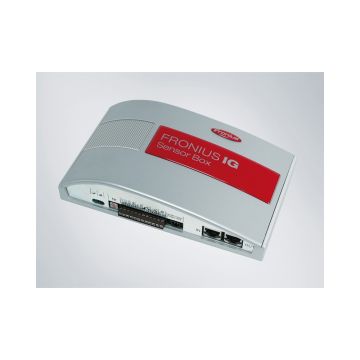
A permanently installed battery storage system in the building helps to increase self-consumption. In order for the hybrid inverter or battery inverter to receive the necessary energy flow data for charging and discharging the storage system, it is essential to measure the building’s self-consumption using an energy meter. The energy management system efficiently controls the storage of self-generated solar power or low-cost electricity from the power exchange. It also controls whether and when the storage system is discharged—either for on-site self-consumption or, in the future, potentially for feeding electricity back into the grid.

At present, PV systems that are remunerated under the German Renewable Energy Act (EEG) are still not allowed to feed electricity from a battery storage system into the grid. However, this is expected to change for new installations in the future.

Conclusion

The sectors of electricity, heating and mobility can be linked in every household through energy management systems and supplied to the greatest possible extent with affordable, self-generated solar power. The remaining electricity demand is covered from the grid at the most favorable times. In the future, surplus or stored electricity will be fed into the grid as economically as possible during periods of high wholesale electricity prices. This is how the digital and sustainable power system of the future works.

Request a non-binding quote now

Learn how an energy management system can help you get the most out of your photovoltaic system. Contact us now for personal advice or a tailored, free complete system quote. Take the first step toward a sustainable energy future!